How to Get Better at Woodworking With a Structured Plan and Simple Projects
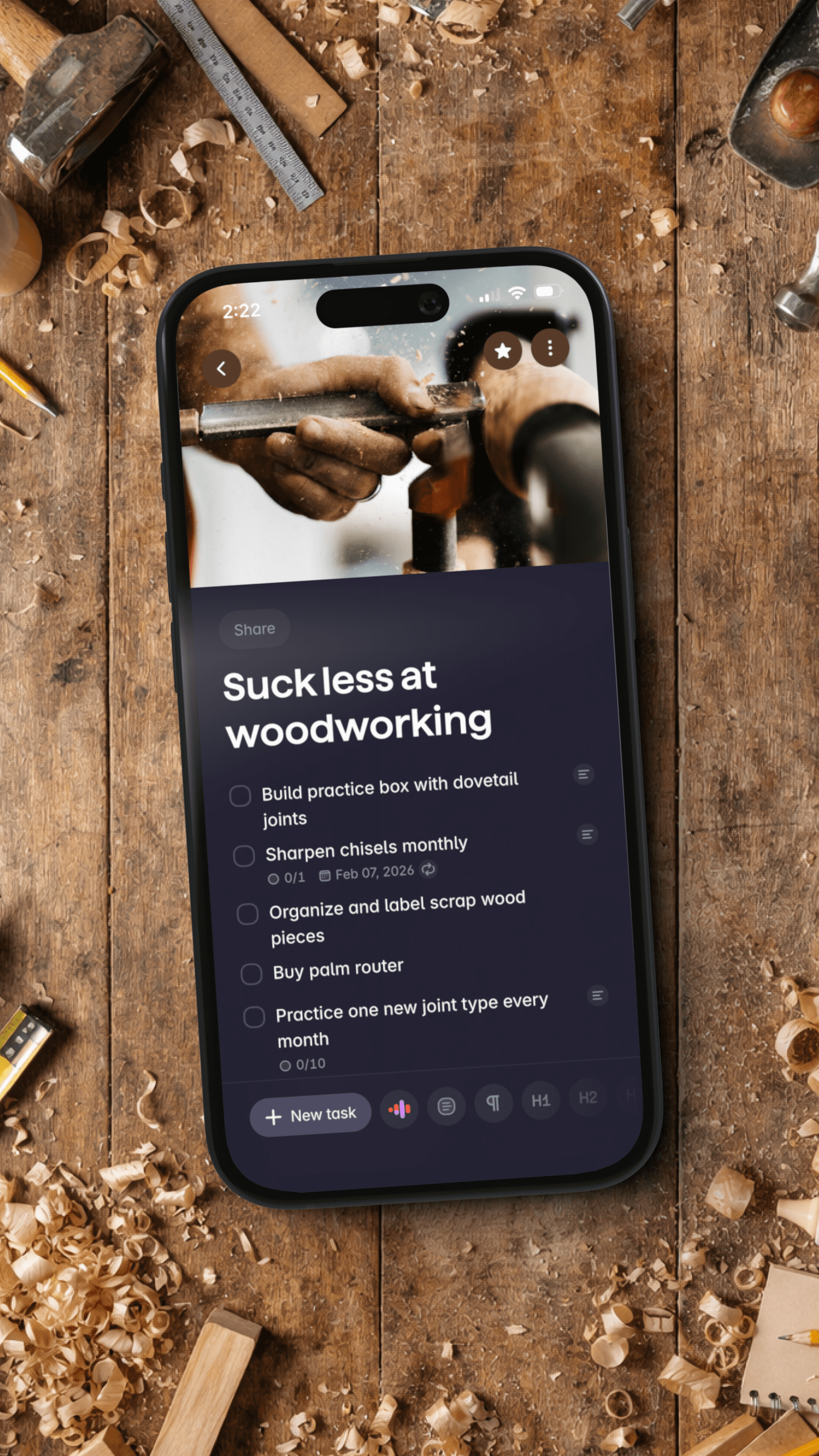
How to Get Better at Woodworking With a Structured Plan and Simple Projects
Many people want to get better at woodworking but feel stuck at the same skill level year after year. The problem is rarely motivation or creativity. More often, it is a lack of structure. Woodworking skills improve fastest when you follow a clear plan, set realistic goals, and break projects into individual, repeatable steps.
This article explains how structured woodworking plans help beginners and intermediate woodworkers improve faster, and it includes a step by step example project you can use to practice core skills.
Why a Structured Woodworking Plan Improves Skills Faster
Woodworking is a combination of many skills. Measuring, cutting, joinery, tool setup, and finishing all matter. Without a plan, it is easy to bounce between projects without improving any one area.
A structured woodworking plan helps you:
Focus on specific skills instead of everything at once
Choose projects that match your current ability
Track progress over time
Finish more projects with better results
Instead of saying “I want to be better at woodworking,” a structured plan encourages more useful goals like improving joinery accuracy or building confidence with power tools.
Setting Clear Woodworking Goals
Good woodworking goals are specific and measurable. They guide both your projects and your practice time.
Examples of effective woodworking goals include:
Learn one new joint type per month
Build projects that require repeatable cuts
Practice tool maintenance like sharpening chisels regularly
Complete small furniture projects from start to finish
These goals naturally lead to better project selection and better learning outcomes.
Breaking Woodworking Projects Into Individual Steps
Every woodworking project is really a series of smaller tasks. When you break projects down into steps, mistakes become easier to spot and fix.
Before starting any project, write down:
All required parts and dimensions
The order of operations
Which joints and techniques will be used
When to test fit parts before final assembly
This process reduces frustration and turns each project into a learning opportunity instead of a guessing game.
Example Woodworking Project: How to Build a Small Coffee Table
A simple coffee table is an excellent woodworking project for skill development. It is practical, manageable, and teaches several fundamental techniques used in furniture making.
Step 1: Choose a simple coffee table design
Stick to four legs, an apron, and a flat top. Avoid drawers or complex shapes. Simple designs build confidence and accuracy.
Step 2: Create a detailed cut list
Write down every part with final dimensions. Include legs, aprons, and the tabletop. This step improves material efficiency and planning skills.
Step 3: Prepare and mill the lumber
Mill all boards square and flat. Cut parts slightly oversized, then bring them to final dimensions. This reinforces good habits with reference faces and measurement consistency.
Step 4: Cut the joinery
Use beginner friendly joinery like mortise and tenon or pocket holes to attach aprons to legs. Cut all matching joints at the same time for better consistency.
Step 5: Dry fit the coffee table base
Assemble the base without glue. Check for square and alignment. Make adjustments now rather than during glue up.
Step 6: Glue and clamp the base
Glue in stages if needed. Focus on alignment and clamping pressure rather than speed. Clean excess glue before it hardens.
Step 7: Attach the tabletop correctly
Use figure eight fasteners or elongated screw holes to allow for wood movement. This is a critical furniture making concept that applies to most solid wood projects.
Step 8: Sand and apply finish
Sand evenly and apply a simple finish like oil or wipe on polyurethane. Consistency matters more than perfection at this stage.
By following these steps, you practice layout, joinery, assembly, and finishing in one complete project.
How Consistent Woodworking Practice Leads to Long Term Improvement
Woodworking skills improve through repetition and reflection, not inspiration alone. A structured woodworking plan removes guesswork and makes progress measurable. Each finished project builds confidence and reinforces fundamentals.
You do not need expensive tools or complex designs to get better at woodworking. You need intentional practice, clear goals, and projects broken down into manageable steps. Over time, this approach leads to cleaner joinery, better finishes, and more enjoyable time in the shop.
If your goal is to become a better woodworker, structure is one of the most powerful tools you can add to your workshop.